5th International Andrology Symposium
Explore the proceedings and abstracts presented at the meeting, bringing together perspectives from clinicians, surgeons, endocrinologists, and molecular scientists working to improve the care of boys with cryptorchidism.
Editorial
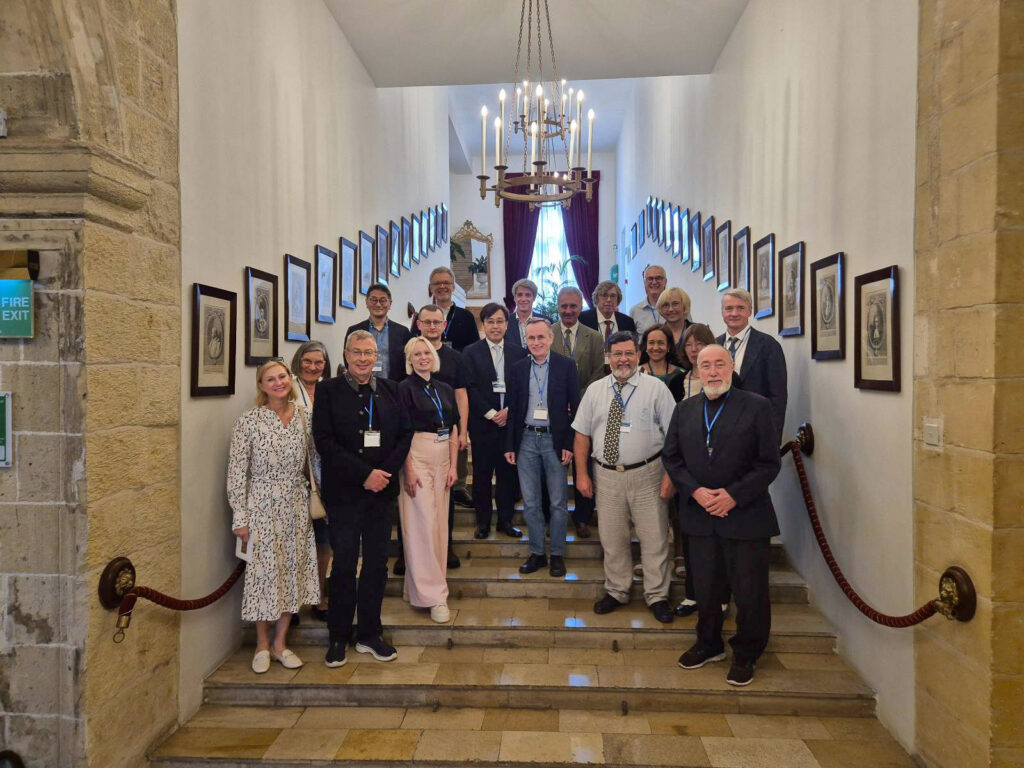
We are pleased to introduce the proceedings of the 5th Pediatric Andrology Meeting on Cryptorchidism, held from Friday, September 26 to Saturday, September 27, 2025, at the International Meeting Center in Valletta and conducted simultaneously via a hybrid Zoom platform. Over its two days, the meeting once again fulfilled its central mission: to provide a forum for the exchange of ideas, for the presentation of new data, and for strengthening interactions among clinicians, surgeons, endocrinologists, and molecular scientists working to improve care for boys with cryptorchidism.
Bringing together experts from molecular biology, pediatric endocrinology, pediatric surgery, and andrology, the 2025 symposium offered a comprehensive view of current advances in diagnosis, mechanisms, and treatment. Discussions repeatedly emphasized that cryptorchidism must be understood as more than a simple failure of testicular descent.
Instead, it represents a condition shaped by endocrine programming, germ-cell biology, molecular architecture, and increasingly recognized, neurocognitive factors.
One particularly striking theme emerging from both the in-person and virtual sessions was the importance of hormonal treatment not only for testicular maturation but also for potential improvements in memory and cognition in cryptorchid boys. These observations broaden the conceptual framework of cryptorchidism beyond an anatomic disorder and reinforce the view that early disturbances of the hypothalamic–pituitary–gonadal axis carry systemic developmental implications.
The central focus of the symposium was the integration of molecular biology with pediatric endocrine practice. Several talks delineated how PIWIL and TUDOR gene families, essential for germline genome protection and piRNA biology, may play decisive roles in shaping fertility potential in boys with undescended testes.These discussions highlighted how translational genetics is reshaping our understanding of the germ-cell consequences of cryptorchidism.
Equally compelling were the contributions examining epigenetic mechanisms and the role of estrogenic signaling in the origin of cryptorchidism. Presentations highlighted how endocrine and epigenetic perturbations during fetal life and mini-puberty can disrupt the transformation of gonocytes and interfere with Sertoli- and Leydig-cell maturation. These findings underscore a broader principle that hormonal and epigenetic disruptions underlie the etiology of many apparently mechanical cases of undescended testes.
Another notable topic was the emerging evidence regarding the cystic fibrosis factor and its involvement in fertility development. The symposium examined how this factor responds negatively to a hypogonadotropic state in cryptorchid boys at high risk for infertility, adding a new dimension to the classification of biological vulnerability and demonstrating the expanding reach of molecular diagnostics.
These molecular, endocrine, and epigenetic insights converged on a significant clinical conclusion: the aberrations identified cannot be corrected by early surgery alone. While timely orchiopexy remains essential for anatomic repositioning and long-term surveillance, it does not address upstream defects arising from mini-puberty disturbances, hormonal insufficiency, or molecular instability. Consequently, the meeting’s interdisciplinary consensus was that hormonal therapy—particularly GnRH agonists or hCG—should be strongly considered as part of treatment guidance, especially for boys exhibiting biological markers of high infertility risk. Incorporating endocrine induction into management pathways was viewed not as experimental, but as a logical evolution of mechanism-based care.
The preparation of these proceedings benefited from OpenAI’s Deep Research tool, used exclusively for copy-editing, proofreading, and improving linguistic clarity and organization. Its application did not generate new scientific or conceptual content; every scientific idea herein remains the original work of the contributing authors. Each manuscript included in this volume has been carefully reviewed for factual accuracy and approved by its author(s) and by the editorial team.
We hope that this collection reflects the depth, rigor, and collaborative spirit of the 2025 meeting. As cryptorchidism continues to be redefined through advances in molecular biology, endocrinology, and developmental biology, it is our conviction that meetings such as this—and the shared knowledge they generate—will play a critical role in shaping the next generation of evidence-based, mechanistically informed care for affected boys worldwide.
Editors
Proceedings of the 5th Pediatric Andrology Meeting on Cryptorchidism
Valletta, Malta — 2025em
Prof Dr med. em. Faruk Hadziselimovic, Prof Dr Phil. Adnan Hadziselimovic
List of Proceedings
The conference proceedings are organized by thematic sessions, showcasing the latest research, clinical insights, and treatment advances in cryptorchidism. Browse each category below to explore presentations from internationally recognized researchers and clinicians.
Molecular biology I
Molecular biology of the mini-puberty, LH-RH and cognition
Prof. Dr. Vincent Prévot, PhD
The physiology of the transient postnatal activation of the hypothalamic–pituitary–testicular axis
Prof. Dr. Rodolfo A. Rey, MD, PhD
Epigenetic gene regulation in male germ cell development
Prof. Dr. Antoine H.F.M. Peters, PhD
Impact of disturbed piRNA biogenesis on transposon de-repression and male infertility
Dr. rer nat Birgit Stallmeyer, PhD
Molecular biology 2
Biological effects on early-stage spermatogenesis in cryptorchidism
Prof. Kentaro Mizuno, MD, PhD
Puberty in boys with a history of cryptorchidism
Prof. Jorma Toppari, MD, PhD
Roles of temperature and retinoic acid in the spermatogenesis defect associated with cryptorchidism
Prof. Shosei Yoshida, PhD
Altered DNA methylation in estrogen-responsive repetitive sequences of spermatozoa of infertile men with shortened anogenital distance
Prof. Christian M. H. R. De Geyter, MD
Pathophysiology
Hypothalamus–pituitary–gonadal axis in cryptorchid boys
Prof. Gilvydas Verkauskas, MD, PhD
Histopathology of cryptorchid testis
Dr. Darius Dasevičius, MD
Negative effect of hormonal treatment on prepubertal testis
Prof. Emerita Dina Cortes, MD
Testis tissue cryopreservation may be considered for boys with cryptorchidism
Prof. Emeritus Jørgen Thorup, MD, PhD
Treatment
Buserelin (GNRHa)-treatment; three-arm placebo-controlled study
Prof. Domingos Tomas Gomes Bica, MD, PhD
Replacement of Male Mini-Puberty
Prof. Dimitrios T. Papadimitriou, MD, MSc, PhD
Molecular evidence supports hormonal treatment for cryptorchidism
Prof. Emeritus Faruk Hadziselimovic, Dr. med.
The role of the Gubernaculum in Testicular Migration – Translational Aspects applied to Undescdnded Testis
Prof. Luciano Alves Favorito, MD, PhD
Round Table Discussion
Pitfalls in cryptorchidism diagnosis
Prof. Dragana Živković, MD, PhD
Epididymo-testicular descent
Prof. Emeritus Faruk Hadziselimovic, Dr. med.
Advantages and disadvantages of early orchidopexy
Prof. Emeritus Zacharias Zachariou, MD, PhD
Benefits and drawbacks of hormonal treatment/orchidopexy
Prof. Emeritus Guy Bogaert, MD, PhD
Is the current guidance for clinical management of cryptorchidism based on the latest research findings?
Dr. Beata Vincel, MD, PhD
Chairs
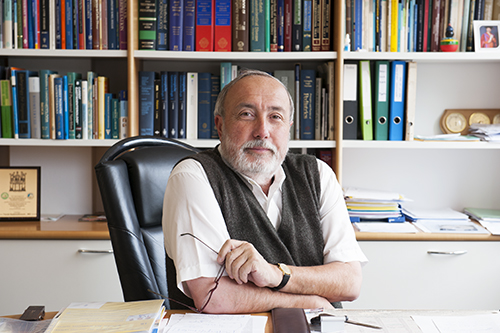
Prof. Emeritus Faruk Hadziselimovic, Dr. med.
Cryptorchidism research institute, Liestal, Switzerland
Correspondence: Dr med em. Faruk Hadziselimovic Bahnhofplatz 11,4410 Liestal Switzerland
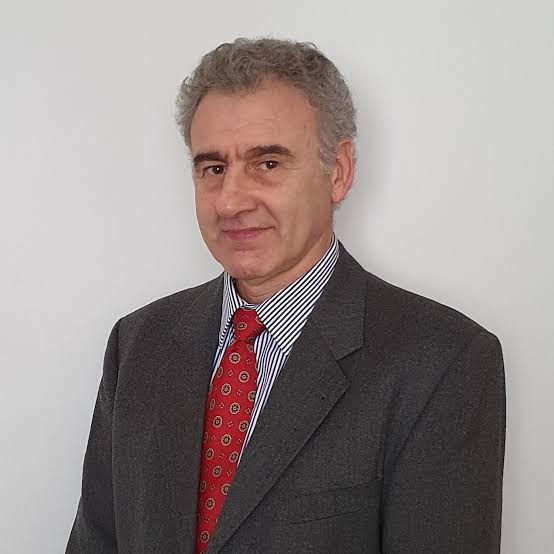
Prof. Dr. Rodolfo A. Rey, MD, PhD
Centro de Investigaciones Endocrinológicas “Dr. César Bergadá” (CEDIE), CONICET – FEI – División de Endocrinología, Hospital de Niños Ricardo Gutiérrez, Buenos Aires, Argentina.
Correspondence: Prof.Dr. MD, PhD Rodolfo Rey Centro de Investigaciones Endocrinológicas “Dr. César Bergadá” (CEDIE), Argentina

Prof. Jorma Toppari, MD, PhD
Research Centre for Integrative Physiology and Pharmacology, and Centre for Population Health Research, and In Flames Research Flagship Center, Institute of Biomedicine, University of Turku, Turku, Finland, and Department of Pediatrics, Turku University Hospital, Turku, Finland
Correspondence; Prof Dr med, PhD Jorma Toppari Kiinamyllynkatu 10 20520 Turku Finland
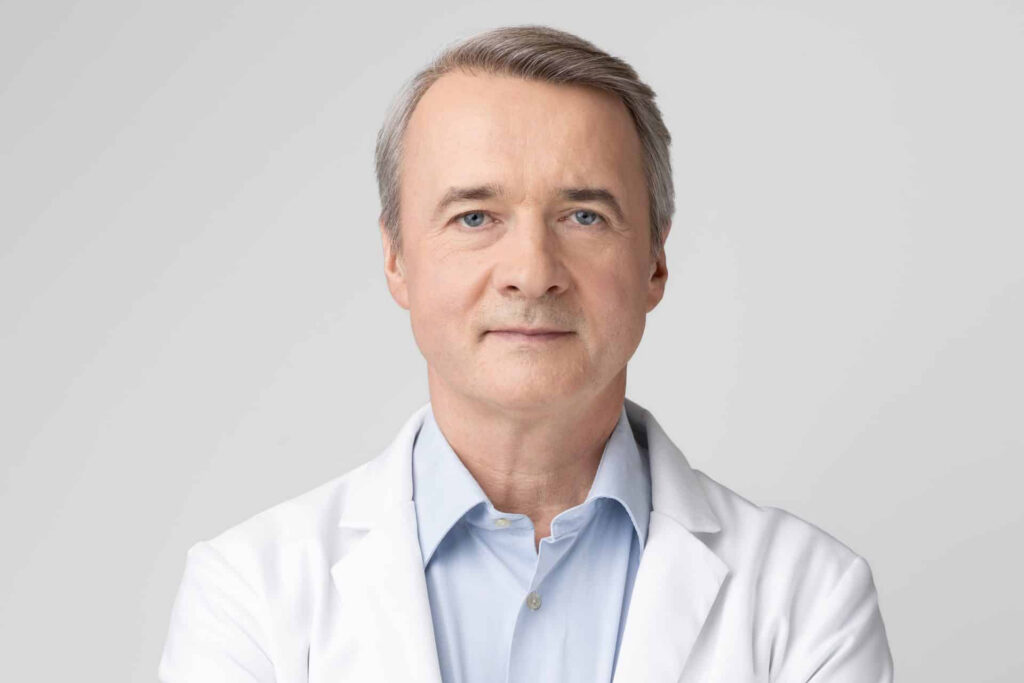
Prof. Gilvydas Verkauskas, MD, PhD
Institute of Clinical Medicine,Faculty of Medicine,Vilnius University, Vilnius,Lithuania
Corespondence; Prof. Dr med. Verkauskas, Head of the Centre of Children’s Surgery, Orthopaedics and Traumatology, Vilnius University Hospital Santaros Klinikos, Vilnius,
Lithuania
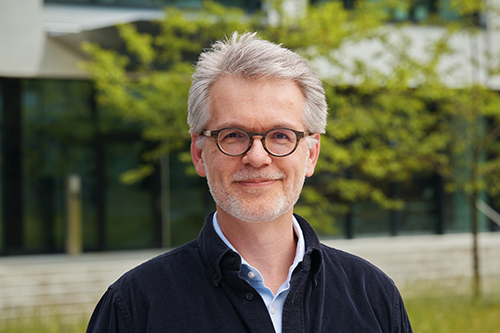
Prof. Dr. Antoine H.F.M. Peters, PhD
Friedrich MiescherInstitute for Biomedical Research, 4056 Basel,Switzerland; Faculty of Sciences, University of Basel, 4056 Basel, Switzerland
Correspondence; Adjunct Professor of Epigenetics, University of Basel, Basel Switzerland
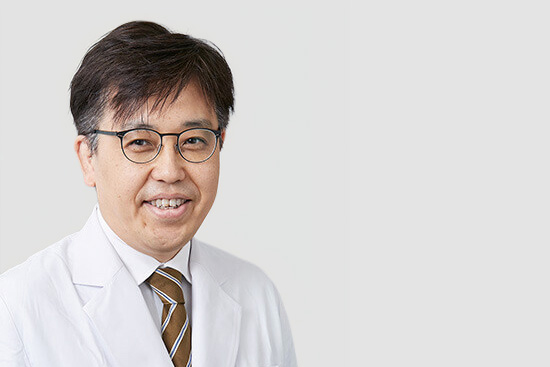
Prof. Kentaro Mizuno, MD, PhD
Department of Pediatric Urology, Nagoya City University GraduateSchool of Medical Sciences, Nagoya, Japan
Correspondence: Kentaro Mizuno, Nagoya City University Nagoya, Japan

Prof. Emerita Dina Cortes, Dr. med.
Department of Paediatrics and Adolescent Medicine, Copenhagen University Hospital Hvidovre; Department of ClinicalMedicine, University of Copenhagen; in collaboration with theDepartment of Paediatric Surgery, Copenhagen University Hospital Rigshospitalet, Denmark.
Correspondence: Professor, overlæge, r. med. Dina Cortes Clinical Professor, Department of Clinical Medicine

Prof. Emeritus Guy Bogaert, MD, PhD
UZ Leuven KULeuven Dept of Urology, Herestraat, 49, B – 3000, Leuven, Belgium
Correpondence; Prof Dr med. PhD em. Guy Bogaert Herestraat, 49, B – 3000, Leuven, Belgium

Prof. Emeritus Gianantonio Manzoni, MD, PhD
Prof Gianantonio Manzoni, Pediatric is Urologist and Director of Pediatric Urology at the Fondazione IRCCS Cà Granda Ospedale Maggiore Policlinico of Milan.
Prof. Manzoni trained and worked in Italy and abroad achieving a wealth of knowledge and experience. Over the years he focused his attention on prenatal diagnosis of uro-genital malformations, reconstructive surgery of genital malformations, urinary tract infections, pediatric urologic robotic surgery.
Organiser

Cryptorchidism Research Institute
The Cryptorchidism Research Institute, located in Liestal, Switzerland, is a specialized research institution directed by Professor Dr. Faruk Hadziselimovic Professor of Pediatrics at the Kindermedizin Zentrum Liestal. The institute focuses on understanding the causes and long-term consequences of cryptorchidism (undescended testes), particularly its impact on testicular development and male fertility. Its research encompasses reproductive endocrinology, molecular genetics, epigenetics, and germ-cell development, with particular emphasis on the role of impaired mini-puberty in infertility. Through clinical and translational research and international scientific collaborations, the institute investigates potential therapeutic strategies, including hormonal interventions, aimed at preserving fertility and improving long-term reproductive outcomes in patients with cryptorchidism.